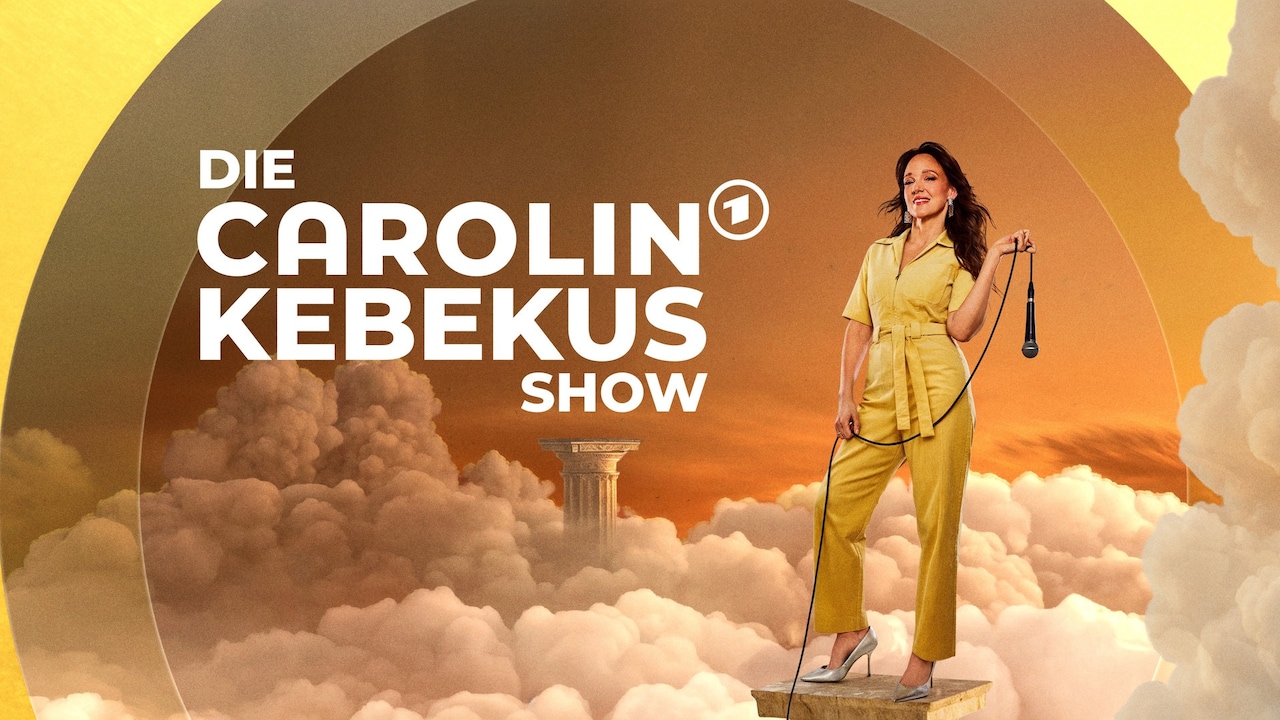
Feminism, US Relations & ARD's Competitiveness: Kebekus Show's S1 Premiere Sets a High Bar
The highly anticipated premiere of Die Carolin Kebekus Show Folge 1 burst onto German television screens, marking a vibrant and incisive start to what would become a cornerstone of satirical comedy. With her signature blend of sharp wit, fearless political commentary, and undeniable stage presence, Carolin Kebekus wasted no time in tackling pressing global issues head-on. From the tumultuous state of US-German relations under the Trump administration to a candid assessment of the feminist movement and even a critical look at her own broadcasting home, ARD, this inaugural episode delivered a comprehensive and laugh-out-loud analysis of contemporary society. It wasn't just comedy; it was a rallying cry, a moment of reflection, and a testament to the power of satire to both entertain and provoke thought.
A Hilarious High-Stakes Debut: Tackling Trump & Transatlantic Tensions
The political landscape provided fertile ground for Kebekus's comedic genius, and the first episode launched with an immediate focus on the daily deluge of unsettling news emanating from the United States under then-President Trump. Kebekus, never one to shy away from controversy, initiated the show with a musical number that quickly became an anthem of comedic resistance. Her proposed solution to Trump’s tariffs and protectionist policies was brilliantly absurd yet deeply resonant: a call for "Bratwurst statt Burger" and "Kölner Dom statt Trump Tower." This wasn't merely a catchy jingle; it was a symbolic rejection of American cultural and economic dominance, urging Germans to embrace their own heritage and products in the face of strained international relations.
Her satirical song encouraged viewers to consider a boycott of beloved US products, acknowledging the difficulty but underscoring the necessity of a strong, unified stance. This segment was a masterclass in using humor to highlight serious geopolitical issues, making complex topics accessible and engaging for a broad audience. It deftly walked the line between national pride and a playful jab, demonstrating how comedy can be a powerful tool for public discourse and even a form of cultural diplomacy.
Bratwurst Diplomacy: Kebekus's Unique Solution to Trump Tariffs
The "Bratwurst statt Burger" philosophy went beyond a simple culinary preference; it was a metaphorical proposal for Germany to assert its cultural identity and economic independence. By suggesting a shift from iconic American fast food to a quintessential German delicacy, Kebekus implicitly critiqued the perceived encroachment of American influence and proposed a humorous yet firm act of national self-assertion. The comparison of the majestic Kölner Dom to the gilded Trump Tower further amplified this sentiment, juxtaposing enduring German heritage with what was, for many, a symbol of transient and ostentatious power. This segment, detailed further in related discussions like Carolin Kebekus vs. Trump: Bratwurst Diplomacy with Ingo Zamperoni, truly encapsulated the episode's spirit of defiant humor.
Kebekus's musical opening was not just a performance; it was a statement. It allowed her to address the collective frustration felt by many in Germany regarding the unpredictability and rhetoric of the Trump administration. Through exaggerated scenarios and a humorous call to action, she provided an outlet for these feelings while simultaneously encouraging a deeper contemplation of international trade, cultural exchange, and national sovereignty. The brilliance lay in making a serious political discussion digestible and entertaining, showing that political satire can indeed be a form of soft power.
Navigating German-American Relations with Ingo Zamperoni
To delve deeper into the complexities of German-American relations, Carolin Kebekus invited Tagesthemen anchor and renowned America expert Ingo Zamperoni. Their discussion went beyond headlines, exploring the nuanced "complicated family affairs" that characterized the transatlantic bond. This analogy perfectly captured the mix of historical alliance, shared values, and recent disagreements that often made the relationship feel like a strained familial connection rather than a straightforward diplomatic one. Zamperoni’s informed insights, combined with Kebekus’s comedic framing, offered a rare blend of journalistic depth and satirical levity, making the intricate world of international politics relatable to the everyday viewer.
The segment culminated in the hilarious game "Good Lück!", where Zamperoni had to navigate his way past Kebekus, who played a stern US border official. This improvisational challenge was not only a test of Zamperoni’s quick thinking but also a sharp satire on the sometimes-absurd realities of border control and the bureaucratic hurdles of international travel. The game underscored the underlying tension and anxieties associated with entering the US during a period of heightened scrutiny, all while maintaining a lighthearted and entertaining tone. The dynamic between Kebekus and Zamperoni, blending serious discussion with spontaneous comedy, made this segment a memorable highlight, a deeper dive into which can be found in analyses like Kebekus's Trump Takedown: Good Lück! with Ingo Zamperoni & Feminist Carometer.
This interaction demonstrated the show's ability to seamlessly transition between serious political discourse and outright farce, proving that intelligence and humor are not mutually exclusive. The "complicated family affairs" concept allowed for a humanized perspective on international relations, acknowledging the emotional undercurrents that often influence political decisions and public sentiment. By portraying these tensions through the lens of family dynamics, Kebekus and Zamperoni made the topic far more accessible and engaging than a typical news report.
"Feminismus Carometer": A Humorous Pulse Check on Global Feminism
One of the most anticipated new rubrics introduced in Die Carolin Kebekus Show Folge 1 was the "Feminismus Carometer." This segment showcased Kebekus’s commitment to social commentary, offering a humorous yet pointed look at the current state of feminism worldwide. Far from being a dry academic analysis, the "Carometer" engaged in a witty and critical evaluation of what strides have been made for women's rights and where progress has unfortunately stalled or even regressed. It celebrated successes while bravely calling out failures, all delivered with Kebekus's signature ironic touch.
The segment's humor served as a Trojan horse, allowing Kebekus to address sensitive and often contentious topics surrounding gender equality without alienating her audience. By highlighting specific examples of both advancement and setbacks, the "Feminismus Carometer" encouraged viewers to reflect on the ongoing struggles and victories within the feminist movement. It was a clear demonstration of how comedy can be a potent vehicle for social critique, making complex issues of gender politics more approachable and fostering a broader conversation about equality and justice. This bold move solidified Kebekus’s position as a leading voice in German television, unafraid to tackle socially relevant themes with both insight and humor.
The genius of the "Feminismus Carometer" lies in its ability to spark dialogue. It's not about providing definitive answers but about posing the right questions in an engaging way. By humorously dissecting the state of feminism, Kebekus encourages critical thinking and active participation in the discourse. This kind of comedic activism is vital in today's media landscape, offering a refreshing alternative to traditional news and opinion pieces by embedding social critique within an entertaining format.
ARD's 75th Anniversary & a Test of Competitiveness by Marie Lina Smyrek
The premiere also featured Marie Lina Smyrek, Kebekus’s colleague, in a special, concise segment titled "Marie Linas Minute." On the occasion of ARD’s 75th birthday, Smyrek dedicated a brisk 75 seconds to humorously testing the public broadcaster's competitiveness. This segment was a brilliant stroke of meta-commentary, with ARD itself being subjected to a comedic, yet pointed, evaluation on its own platform. It highlighted a willingness within the show to engage in self-reflection and address the challenges faced by established media institutions in a rapidly evolving digital landscape.
Smyrek’s "Minute" playfully scrutinized ARD’s ability to stay relevant and engaging amidst a proliferation of private broadcasters, streaming services, and online content creators. It touched upon themes of innovation, audience connection, and the need for traditional media to adapt to modern consumption habits. While delivered with humor, the underlying message was clear: even venerable institutions like ARD must continuously strive for excellence and adaptability to maintain their appeal and fulfill their public service mandate. This segment offered a valuable, albeit comedic, reminder that competitiveness isn't just about ratings, but about continuous innovation and understanding an ever-changing audience.
For any media organization, maintaining competitiveness requires constant vigilance. Practical tips include investing in digital platforms, understanding data analytics for audience insights, fostering diverse talent, and embracing experimental formats. Marie Lina Smyrek’s playful critique subtly nudged ARD towards these considerations, demonstrating that constructive self-criticism, even when humorous, is a cornerstone of growth and relevance in a cutthroat industry.
Why "Die Carolin Kebekus Show Folge 1" Resonates
The inaugural episode of Die Carolin Kebekus Show Folge 1 was a resounding success because it masterfully blended political satire with accessible humor, tackling complex issues without ever losing its comedic edge. Carolin Kebekus demonstrated her unparalleled ability to connect with an audience, making them laugh while simultaneously prompting them to think deeply about the world around them. From lampooning international politics with "Bratwurst Diplomacy" to dissecting gender issues with the "Feminismus Carometer," and even turning a critical eye on her own network, the premiere proved that intelligent comedy can be a powerful force for engagement and enlightenment.
The show's structure, incorporating diverse segments like guest interviews, games, and recurring rubrics, ensured a dynamic viewing experience that kept audiences captivated. It established Carolin Kebekus as not just a comedian, but a significant cultural commentator capable of shaping public discourse. Her unapologetic approach to social and political topics, coupled with her infectious energy, has cemented Die Carolin Kebekus Show Folge 1 as a pivotal moment in German entertainment, setting the stage for a series that would continue to challenge, entertain, and provoke thought.
In conclusion, the premiere of Die Carolin Kebekus Show Folge 1 was far more than just another comedy show; it was a cultural event. It solidified Carolin Kebekus's status as a leading voice in German satire, unafraid to confront the pressing issues of our time with wit, intelligence, and a healthy dose of audacity. By seamlessly weaving together incisive political commentary on US relations, a crucial assessment of feminism, and a humorous yet insightful critique of ARD's own standing, the episode set a remarkably high standard for the series. It proved that in the hands of a skilled satirist, comedy can be a profound tool for understanding, engagement, and even a catalyst for change, leaving viewers both thoroughly entertained and thoughtfully provoked.